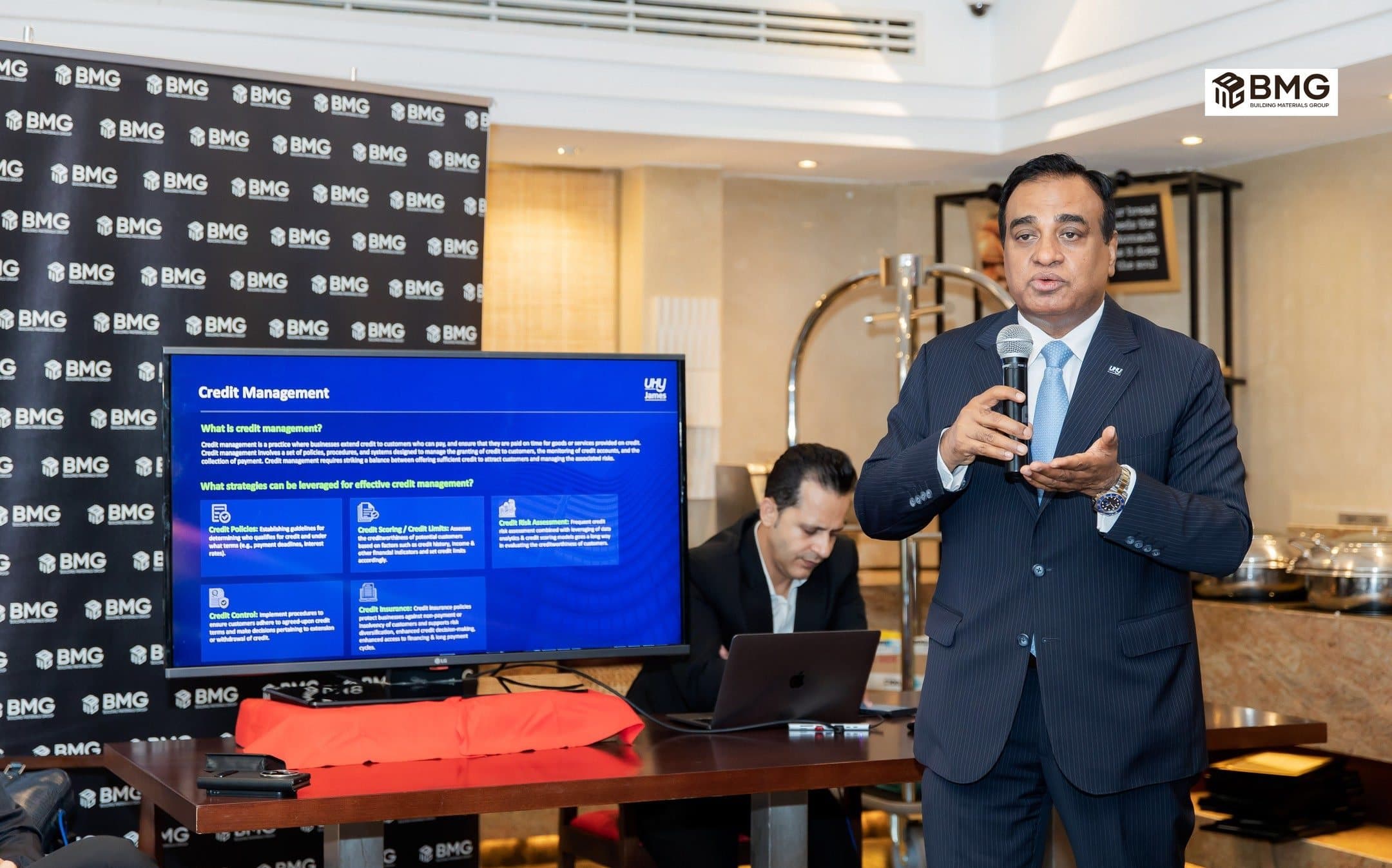


The building materials sector is a cornerstone of construction and infrastructure development. To keep it running smoothly, effective credit management is indispensable. The financial health of a building materials business hinges on its ability to manage credit transactions, keeping cash flow stable and the business profitable.
Understanding the building materials industry
The industry covers a wide range of products, from cement and steel to wood and insulation materials. It is cyclical, shaped by construction trends, housing demand, and economic cycles.
Challenges in credit management
- 1.Cyclicality and seasonality: Sales fluctuate with construction trends and seasons.
- 2.Variable pricing: Raw material costs change and international pricing adds pressure.
- 3.Long payment cycles: Suppliers often wait long periods for payment, straining cash flow.
- 4.Complex supply chains: Multiple intermediaries with varying credit terms.
- 5.Global sourcing risks: Currency exchange rate fluctuations on imported materials.
- 6.Regulatory compliance: Missing quality, safety, and environmental standards brings penalties that affect financial stability.
- 7.Sustainability costs: Investment in environmentally friendly practices can strain finances and influence credit decisions.
- 8.Market fragmentation: Many small and medium-sized enterprises with varying creditworthiness.
- 9.Project-specific credit: Assessing contractors and subcontractors project by project is essential but resource-intensive.
- 10.Market competition: Price wars and tight margins increase credit risk.
Key strategies for effective credit management
- 1.Credit insurance: Protects against non-payment or insolvency of customers and supports long payment cycles.
- 2.Cash flow forecasting: Accurate forecasts keep working capital and liquidity under control.
- 3.Credit risk assessment: Use data and credit scoring to evaluate customer creditworthiness.
- 4.Credit policies: Clear terms, credit limits, and payment schedules, communicated to every customer.
- 5.Automation: Credit management software for approvals, account monitoring, and reporting.
- 6.Monitoring and reporting: Track payment histories so delinquencies are caught early.
- 7.Diversification: Spread credit risk across customers and market segments.
- 8.Customer communication: Address issues promptly, offer flexible payment options when needed, and build trust.
Benefits of effective credit management
- 1.Lower credit risk: Less non-payment and bad debt.
- 2.Better cash flow: Timely collections free cash for growth.
- 3.Stronger customer relationships: Transparent, fair credit terms build long-term trust.
- 4.Competitive advantage: Sound credit practice attracts more reliable customers.
Conclusion
Credit management in the building materials industry is more than a financial safeguard; it is a strategic necessity. With sound risk assessment, automation, and communication, businesses protect their financial stability and strengthen their position in an industry critical to global development.